
A Complete Guide to Baby Bibs: Types, Uses & Buying Tips
When bringing an infant into the family, there are countless essentials to get: baby bibs are one of them. Many mothers ask, what are baby bibs, and why are they essential? Bibs keep baby's skin residue-free from drooly milk and first-meal spills, and make quick clean-ups for parents. As babies grow, so do their feeding habits; more bibs are needed. Knowing the types of baby bibs to buy, and the correct sizing, along with the appropriate use and materials, makes the hygienic and bib cleaning routines easy. You've got everything from choosing the best baby bibs for feeding to cute baby bib designs.
What Is Baby Bibs and Why Do Babies Need Them?
For those that need clarity, and are inquiring what baby bibs are, it is a protective cloth (sometimes waterproof) tied around the neck of an infant to shelter the baby from drool, food, spit-up, etc. Bibs are there to create a barrier between the outfit and mess, to prevent having to change clothes often. Bibs also serve other purposes than just protecting clothes. Here are other benefits of bibs:
-
They help prevent moisture from building up on a baby's chest.
-
They help reduce skin irritations caused by drooling.
-
They help keep a baby's feeding area clean.
-
They help support babies during the different phases of teething.
You might also be wondering, when do babies begin to wear bibs? Most babies start wearing bibs within the first several weeks of life, especially if they tend to spit up a lot. During the teething phase, which occurs around 4 to 6 months, babies tend to drool a lot, which makes wearing bibs even more necessary.
Different Types of Baby Bibs
Different types of baby bibs have been designed for different uses, so you can choose the right bib for the right feeding stage.
1. Drool Bibs: These bibs are soft, absorbent, and teething-friendly.
2. Feeding Bibs: These bibs are usually bigger than other baby bibs, and some come with a waterproof material. Because of the food spill protection, they are considered the best baby bibs for feeding.
3. Sleeved Bibs: These types of bibs come with arm and upper body covers, so they are perfect for babies who tend to eat messily.
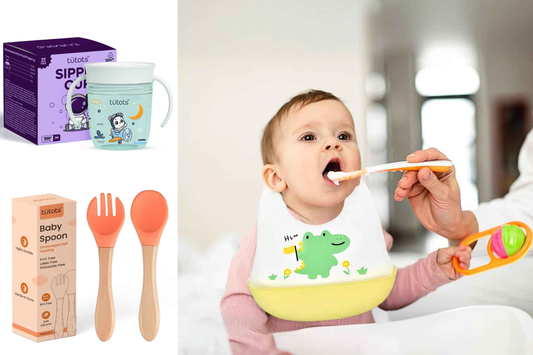
4. Silicone Bibs: Because these bibs are waterproof, easy to clean, and have food catcher pockets, they are considered to be some of the best baby bibs.
5. Disposable Bibs: These bibs are perfect if you are traveling but are not recommended for everyday use due to the negative impact on the environment.
Because they serve a different function, many parents find it necessary to use several types of baby bibs.
Exploring Trendy Baby Bib Designs
Modern baby bib designs are not just functional; they are stylish too. Today’s bibs come in:
-
Bandana-style cuts
-
Cartoon prints
-
Minimalist neutral shades
-
Embroidered themes
-
Seasonal and festive patterns
Fashion-forward designs allow babies to look adorable while staying clean. However, while choosing based on style, ensure the material remains soft and breathable.
Choosing the Right Size: Baby Bib Size Chart
Sizing matters for comfort and coverage. A typical baby bib size chart may look like this:
|
Age Group |
Bib Size |
Coverage Level |
Recommended Use |
|
0–3 Months |
Small (Newborn) |
Light chest coverage |
Milk feeding, mild drooling |
|
3–6 Months |
Medium |
Moderate chest coverage |
Increased drooling, early teething |
|
6–12 Months |
Large |
Extended chest coverage |
Solid food introduction, messy feeding |
|
12+ Months |
Full-Coverage Bib |
Chest + upper torso |
Self-feeding, heavy spills, travel meals |
Look for adjustable snaps or Velcro closures to ensure a snug yet comfortable fit. A bib that’s too tight may irritate the neck, while a loose one may allow spills to pass through.
When to Use Bibs
Most parents want to know when to use bibs. The answer is dependent on the behavior and habits of each particular baby.
-
During the milk feeding stage (newborn stage)
-
Teething phase (4-12 months)
-
Introduction to solid foods (6 months onwards)
-
Outdoor feeding activities
Even if your baby doesn’t drool much in the earlier stages, once solid foods are given, bibs are essential.
Proper Use of Baby Bibs
It is important to ensure that the use of baby bibs is done in the right way in order to guarantee protection and cleanliness.
-
Bring the bib to your baby’s neck
-
Strap the bib using the snaps/Velcro.
-
Make sure the bib is straight across the baby’s chest
-
Take the bib off if it is wet with food
-
Make sure the bib is washed and dried before it is put on the baby again.
Avoid leaving a heavily wet bib on your baby for too long, as constant moisture may irritate delicate skin.
What are the Best Materials for the Best Baby Bibs for Feeding
When it comes to choosing the best baby bibs for feeding, it is important to consider the materials being used to make the bibs.
-
Cotton - Soft and breathable, good for drool bibs.
-
Muslin - Soft and lightweight.
-
Silicone - Waterproof. Can be wiped off and cleaned.
-
Terry cloth - Great for absorption.
-
Organic fabric - Good and skin safe.
Check the bib to make sure it is not dyed with any harmful materials.
Making Baby Bibs Yourself
If you want to know how to make baby bibs at home, here is a simple method:
Things You'll Need:
-
Soft cotton fabric
-
Terry cloth or something similar.
-
Absorbent lining
-
Pattern template
-
A sewing machine
-
Snap_buttons/ velcro
Some Simple Steps:
-
Draw a bib shape on a piece of fabric.
-
Cut out two identical bibs.
-
Sew the two bibs together with the terry cloth lining in the middle.
-
Turn it inside out and do a top stitch.
-
Add the snap buttons/ velcro
You can also make the bibs more special by adding your favourite designs or using cute fabric
Selecting Baby Bibs
Consider the following when selecting bibs:
1. Comfort: Soft edges around the bib will be more comfortable for the baby and avoid rubbing of the neck.
2. Closure: Snaps are more durable than Velcro.
3. Washable: This is more cost-effective than disposables and is better for the environment.
4. Buy Enough: You will want to have at least 5-7 out for and during teething
5. No Soaking: Backs of bibs that are waterproof will prevent baby outfits from soaking
Mistakes To Avoid
-
Style, not comfort
-
Not accounting for bib absorbency
-
Not buying enough bibs
-
Not checking washing instructions.
How Many Baby Bibs Should You Buy?
New mothers often misjudge bib numbers. The average recommended bibs per stage is:
-
Newborn stage: 6–8 bibs
-
Teething stage: 10–12 bibs
-
Solid feeding stage: 8–10 feeding bibs.
Having extras will help minimise the number of loads of laundry.
What You Should Know To Keep Bibs Clean
-
A mild soap should be used to wash the bibs.
-
Sun disinfects, so dry the bibs in the sun whenever possible.
-
When the bibs’ fabric is thinning, it is time to replace the bibs.
-
Do not use fabric softeners, as they may irritate the baby’s skin.
Bib Options For Travel
Feeding outside the home will be more convenient and cleaner if you use:
-
Collapsible silicone bibs
-
Lightweight cotton bibs
-
Quick-drying material bibs
When To Get New Bibs
To maintain both hygiene and comfort, replace bibs with:
-
Stains that you cannot get out
-
Discoloration
-
Broken snaps/ snaps that no longer work
-
Increased dryness
What Are The Eco-Friendly Options For Bibs?
-
Reusable, washable bibs
-
Organic cotton bibs
-
Bibs that come in no plastic packaging
These options can help parents alleviate their babies’ health problems and the health of the planet.
Why Quantity Is Outweighed by Quality
For sure, buying disposables by the case is economical; however, spending the same, or slightly more, on durable, skin-friendly bibs is an investment. Quality bibs provide better, long-lasting comfort, wash and wear protection and longevity.
Tutots Baby Bibs for Tender Care
Among the many bib alternatives on the market, Tutots stands out for our designed-for-purpose baby bibs that offer the perfect blend of comfort, absorbency, and longevity. With our baby-safe fabric, the collection tenderly protects the baby’s skin while efficiently managing the daily drooling and feeding mess. With soft stitching and adjustable closure, and great design, Tutots ticks all the boxes. With the new mom in mind, the bibs are designed for easy cleaning and long-term use, making them a great baby care essential.
Conclusion
The effort you place in choosing suitable baby bibs is pivotal in deciding how comfortable or hygienic your baby will be in the days to come. Knowing how to choose baby bibs, the different types of baby bibs available, determining size with the baby bib size chart, or learning how to use baby bibs appropriately will all contribute to the end goal. Whether you go for the best baby bibs for feeding or decide to try your hand at baby bibs for food introduction, the goal is to ensure your child is protected, content, and at ease. With the right selection and maintenance, bibs will be a great relief during your parenting years.
FAQs About Baby Bibs Guide
Q1. Can baby bibs cause neck rashes
Ans. Yes, if a bib stays wet for too long or fits too tightly, it may cause redness or rashes. Always change damp bibs promptly and choose soft, breathable fabrics with smooth stitching to prevent irritation.
Q2. Are silicone bibs safe for everyday use?
Ans. Silicone bibs are safe if made from food-grade, BPA-free material. They are excellent for feeding time but may not be ideal for all-day wear since they are less breathable than cotton bibs.
Q3. How many bib changes are normal in a day?
Ans. During teething or solid feeding stages, babies may need 4–8 bib changes daily. Keeping extra bibs handy ensures hygiene and prevents moisture-related skin issues.
Q4. Should bibs be sterilised like feeding bottles?
Ans. Unlike bottles, bibs do not require sterilisation. Regular washing in warm water with mild detergent and proper drying is sufficient for cleanliness.
Q5. At what age can babies stop wearing bibs?
Ans. Most toddlers gradually stop needing bibs between 18 and 24 months, once drooling decreases and self-feeding improves. However, some children may still need them during messy meals.
Tags:
Previous
Which Soap Is Best for Baby Skin Whitening and Brightening?
Next
How to Choose the Right Baby Bottle Nipple for Newborn Babies
Related articles
A Complete Guide to Anti Colic Feeding Bottles
Jun 01 2026