
A Complete Guide to Anti Colic Feeding Bottles
Summary
Anti-colic feeding bottles are specially designed to reduce the amount of air babies swallow during feeding. By using vent systems, valves, and controlled milk flow, these bottles can help reduce gas, bloating, burping, and feeding discomfort. While they cannot completely eliminate colic, they may help minimize some of the symptoms associated with digestive discomfort.
This guide explains what anti-colic bottles are, how they work, their benefits, how to use them correctly, and what features to consider when purchasing one. Understanding these factors can help parents create a more comfortable feeding experience for their baby.
Key Takeaways
-
Anti-colic feeding bottles assist to minimize gas and stomach pain.
-
Special ventilation systems minimize inhalation of air during feeding.
-
These bottles may help decrease crying caused by colic
-
Use of bottles properly enhances comfort during feeding.
-
Anti-colic bottles are particularly effective with bottle-fed babies.
-
Cleaning and sterilization are essential for hygiene
-
It is also important to select the appropriate nipple flow.
One of the most crucial bonding times between babies and parents is feeding time. But there are a lot of infants who feel uncomfortable after feeding because of gas, burping, bloating or crying too much. One of the most common reasons behind this discomfort is colic.
In order to alleviate feeding related distress, most parents have resorted to the use of an anti colic feeding bottle. The unique designed bottles assist in decreasing the volume of air babies ingest during feeding, lessening gas accumulation and stomach troubles.
To first-time parents, it can be confusing knowing how to use anti colic bottle, when to use it and how it works compared to other bottles. This guide tells you all you should know about the anti-colic feeding bottles, their advantages, the mechanism of operation, and how to select the best bottle to feed your baby.
What Is an Anti Colic Feeding Bottle?
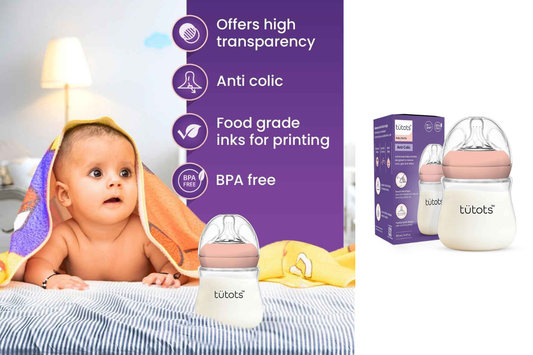
An anti colic feeding bottle is a special bottle that is designed in such a way that it helps to minimize the volume of air that is swallowed by a baby during feeding. As opposed to ordinary bottles, anti-colic bottles have advanced venting mechanisms or valves that will ensure smooth flow of milk and reduce the number of air bubbles in the bottle.
The goal is to reduce common feeding issues such as:
-
Gas
-
Burping
-
Bloating
-
Spitting up
-
Fussiness
-
Colic symptoms
These bottles are widely recommended for babies who experience discomfort after feeding. By reducing trapped air in the digestive system, these bottles can help create a more comfortable feeding experience.
What Is Colic in Babies?
Colic is a common condition that affects many newborns and young infants. It is generally characterized by frequent and prolonged periods of crying in an otherwise healthy baby. Colicky babies may cry intensely, appear difficult to soothe, and often seem uncomfortable despite being fed and cared for properly.
Common signs of colic may include excessive crying, clenched fists, pulling legs toward the stomach, facial redness, and signs of gas discomfort. Although the exact cause of colic remains unclear, many healthcare professionals believe digestive discomfort and swallowed air may contribute to symptoms.
How Do Anti Colic Bottles Work?
One of the most common questions parents ask is: anti colic bottles how do they work? The answer lies in their ability to manage airflow inside the bottle while maintaining a smooth and consistent milk flow.
Anti Colic Bottles How Do They Work?
Traditional bottles can create a vacuum effect as milk is consumed, causing babies to swallow more air. Anti-colic bottles are designed to prevent this issue by introducing controlled airflow that remains separate from the milk. Anti-colic bottles use one or more special design features:
Vent Systems
Many anti-colic bottles use advanced vent systems that allow air to enter the bottle without mixing directly with the milk. This helps maintain consistent milk flow while minimizing air bubbles that could be swallowed during feeding.
Air Valves
Valves reduce vacuum pressure inside the bottle. As milk leaves the bottle, the valve allows air to replace the lost volume without forcing babies to gulp excess air while feeding.
Specialized Nipples
Certain anti-colic bottles include specially designed nipples that regulate milk flow and reduce bubble formation. These nipples can also mimic natural breastfeeding patterns, making feeding more comfortable for babies.
Angled Bottle Designs
There are some bottles that minimize the accumulation of air through the maintenance of good positioning of the milk. These properties aid in the formation of a more fluid feed with reduced air bubbles.
Benefits of Using an Anti Colic Feeding Bottle
Parents often invest in anti-colic bottles because they offer several potential benefits that support a more comfortable feeding experience. Although results vary from baby to baby, many families notice improvements after switching to anti-colic feeding systems.
1. Reduces Gas and Bloating
The biggest advantage of an anti colic feeding bottle is reduced air swallowing. Less trapped air means less bloating, reduced gas discomfor and easier digestion
2. Helps Reduce Colic Symptoms
Even though no bottle will entirely treat colic, anti-colic systems can alleviate the discomfort during feeding, which is part of excessive crying.
3. Improves Feeding Comfort
A smoother milk flow can help babies feed more comfortably without frequent interruptions caused by discomfort. This often leads to more relaxed feeding sessions and improved feeding efficiency.
4. Reduces Spit-Up and Burping
Controlled airflow systems may help reduce excessive burping and spit-up by limiting the amount of trapped air entering the stomach during feeding.
5. Better Sleep for Babies and Parents
When feeding discomfort is reduced, babies may settle more easily after meals. Improved comfort can contribute to better sleep patterns for both infants and their caregiver
Anti Colic Bottles vs Regular Bottles
Many parents compare anti colic bottles vs regular bottles before deciding which option best suits their baby's needs. While both types serve the same basic purpose, their designs differ significantly.
Anti Colic Bottles
Anti-colic bottles include specialized features that actively reduce air intake during feeding. They often contain vent systems, airflow valves, and specially engineered nipples that help create a smoother feeding experience.
These bottles are particularly beneficial for babies who experience gas, bloating, frequent burping, or feeding discomfort.
Regular Bottles
Regular baby bottles have a simpler design and generally contain fewer parts. While they work well for many babies, they do not include advanced airflow control systems designed to reduce swallowed air.
They are often less expensive and easier to clean, but may not provide the same level of feeding support for babies with digestive sensitivities.
Key Difference
The biggest difference between anti-colic bottles and regular bottles is airflow management. Anti-colic bottles are specifically designed to minimize air ingestion, while standard bottles focus primarily on milk delivery.
Which Is Better?
For babies who experience gas, excessive burping, or feeding-related discomfort, anti-colic bottles are often the better choice. However, every baby is different, and some infants may feed comfortably using standard bottles without any issues.
Can Bottle Feeding Cause Colic?
One of the most popular questions that parents have is: will bottle feeding make colic? Colic is not directly caused by bottle feeding. Nevertheless, incorrect feeding methods and swallowing too much air can be a cause of digestive disturbance.
Factors That May Increase Feeding Discomfort
Several feeding-related factors can contribute to gas, fussiness, and digestive discomfort in babies. Using an anti-colic bottle can help reduce some of these feeding challenges.
-
Poor bottle positioning
-
Fast milk flow
-
Incorrect nipple size
-
Excess air intake
-
Overfeeding
How to Use Anti Colic Bottle Properly
Many parents purchase anti-colic bottles without fully understanding how to use anti colic bottle systems correctly. Proper use is essential for maximizing their effectiveness.
Step 1: Assemble the Bottle Correctly
Always follow the manufacturer's instructions when assembling the bottle. Vent systems, valves, and additional components must be installed correctly to function properly.
Step 2: Choose the Right Nipple Flow
Select a nipple flow rate appropriate for your baby's age and feeding ability. Milk flow that is too slow or too fast may affect feeding comfort.
Step 3: Hold the Bottle at the Correct Angle
Maintain a feeding angle that keeps milk filling the nipple. This reduces the likelihood of air entering the feeding process.
Step 4: Burp the Baby Regularly
Even when using anti-colic bottles, regular burping remains important. Pause during feeding sessions to help release trapped air.
Step 5: Clean and Sterilize Properly
Anti-colic bottles often contain multiple components that require thorough cleaning. Proper hygiene helps maintain performance and prevents milk residue buildup.
Types of Anti Colic Feeding Bottles
Different brands use different technologies to reduce air intake during feeding. Understanding these options can help you select the most suitable bottle
1. Vent Tube Bottles
These bottles use internal vent tubes that separate air from milk during feeding. They often provide excellent airflow control but may require more detailed cleaning.
2. Valve-Based Bottles
Valve-based bottles use built-in airflow valves to regulate pressure inside the bottle. They generally contain fewer parts and are easier to clean.
3. Angled Bottles
Angled bottles use a slanted design that helps keep air away from the nipple. This design can reduce gas buildup while supporting comfortable feeding positions.
Signs Your Baby May Benefit From Anti-Colic Bottles
Some babies may benefit more from anti-colic feeding systems than others. While every baby is unique, certain signs may indicate that an anti-colic bottle could be helpful. Your baby may benefit from an anti-colic bottle if they:
-
Cry excessively after feeding
-
Experience frequent gas
-
Burp excessively
-
Pull their legs up in discomfort
-
Spit up often
-
Show feeding discomfort
How to Choose the Best Anti Colic Feeding Bottle
Choosing the right bottle involves more than selecting a popular brand. Several important factors should be considered before making a purchase.
1. Check Ventilation Technology
Different brands use different airflow systems. Look for designs that effectively separate air from milk and have positive user reviews.
2. Focus on Material Safety
Always choose BPA-free bottles made from certified baby-safe materials. High-quality silicone nipples and food-grade components provide additional reassurance.
3. Consider Cleaning Convenience
Some anti-colic systems contain multiple parts that require regular cleaning. Choose a bottle that balances performance with ease of maintenance.
4. Select the Correct Bottle Size
Smaller bottles are typically suitable for newborns, while larger bottles become useful as feeding volumes increase with age.
5. Evaluate Nipple Shape
Some babies prefer wide-neck nipples that closely resemble breastfeeding, while others adapt better to traditional nipple shapes.
Are Anti-Colic Bottles Worth Buying?
For babies who frequently experience gas, bloating, burping, or feeding discomfort, anti-colic bottles can be a worthwhile investment. Their specialized designs address common feeding challenges that many families encounter during infancy. Benefits may include:
-
Reduced fussiness
-
Easier digestion
-
Better feeding experience
-
Improved sleep patterns
Conclusion
The selection of an appropriate feeding bottle can be a big difference in the comfort and experience of feeding of your baby. Anti colic feeding bottle can decrease the amount of air intake, reduce the amount of gas accumulation, and allow the digestion process to be smoother during feeding.
Learning how to use anti colic bottles and how they work, which ones to use, and which ones to avoid using can assist parents in dealing with discomfort during feeding in a more efficient manner.
Although no bottle can eradicate colic, the anti-colic systems can help alleviate most of the typical feeding problems that can cause fussiness and stomach upsets. With the help of emphasizing the correct feeding methods, frequent burgering, and clean bottle-handling, parents will be able to organize the feeding process of a baby into a more comfortable and relaxed one.
FAQs About Anti Colic Feeding Bottles Guide
Q. What is an anti colic feeding bottle?
Ans. Anti colic feeding bottle is one which is constructed in a manner that causes less air to enter the feeding process, which aids in reducing gas, bloating and feeding discomfort.
Q. Anti colic bottles how do they work?
Ans. Anti colic bottles how they work is primarily in regards to special vent systems and valves that minimize air bubbles and vacuum pressure during feeding.
Q. Can bottle feeding cause colic?
Ans. Can bottle feeding cause colic directly? Not necessarily, but swallowing excess air during bottle feeding may contribute to discomfort and gas.
Q. How to use anti colic bottle correctly?
Ans. To learn how to use anti colic bottle, how it is to be assembled, how the nipple flow is to be used, at what angle to hold it, and how to clean it after use.
Q. Anti colic bottles vs regular bottles: which is better?
Ans. When comparing anti colic bottles vs regular bottles, they tend to be more helpful in solving gas, burger or digestive issues of a baby.
Tags: