
A Complete Guide to Baby Hygiene Tips & Checklist for New Parents
Keeping a baby's hygiene is one of the most crucial tasks for new parents. The skin and immune system of a baby are still developing, which is why both need to be kept in the best state of cleanliness and care to protect against irritation, infections and discomfort. Best newborn hygiene practices ensure the babies are healthy, comfortable and safe during the first months of life.
Many parents are perplexed about the right way to keep their baby clean. The questions about bathing, diapers, handwashing, clothing hygiene and the quality of safe skincare products are very common. The understanding of the importance of baby hygiene may help parents create positive habits that can support the physical health and emotional comfort of babies.
It is an all-inclusive guide that provides hygiene tips, hygiene practices for daily life, safe skin care, hygienic practices significant to newborns, and a powerful newborn baby checklist that can be conveniently used by a new parent.
Newborn Baby Hygiene for Health
Many new parents will ask themselves the question of why baby hygiene matters during the early stages of life. Infants have weaker skin and immunity than adults. Because of this, they will easily get infected, have skin rashes or skin irritation unless hygiene is addressed.
Good hygiene is also okay with babies. Bathing, changing clothes, and washing diapers alleviate pain and contribute to a more comfortable sleep.
Poor Hygiene Can Affect Babies
Lack of hygiene can lead to skin infections and other health issues in infants. Newborn skin is delicate and thus even minor mistakes in hygiene can irritate.
| Hygiene Problem | Possible Effect on Baby |
| Dirty diapers | Diaper rash and skin irritation |
| Unclean feeding bottles | Stomach infections |
| Poor hand hygiene | Spread of germs |
| Dirty bedding | Skin allergies and discomfort |
| Harsh skincare products | Dryness and rashes |
This is why secure and tender hygiene routines should be established by parents at an early age.
How to Maintain Hygiene for Babies Properly
Understanding how to maintain hygiene for babies helps parents create safe daily habits. Hygiene does not mean over-cleaning. Babies need gentle and balanced care to protect their sensitive skin and body.
Keep Baby Hands and Face Clean Daily
During the day, babies tend to touch their mouths and faces. Around the mouth and neck, milk, saliva, and sweat may accumulate.
Parents are advised to clean:
- Face after feeding
- Hands several times a day
- Neck folds where sweat collects
- Around the eyes using clean cotton and water
Using soft cloths and lukewarm water is usually enough for daily cleaning.
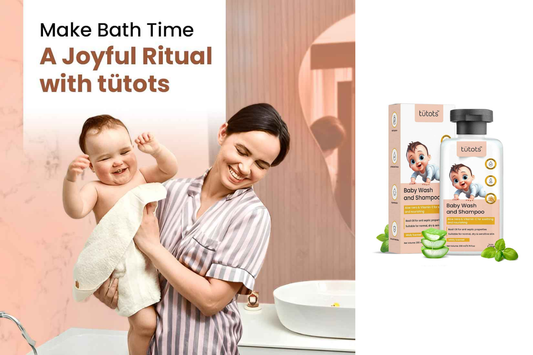
Safe Bathing Habits for Newborn Hygiene
Bathing is also a significant aspect of newborn hygiene, though newborns do not require frequent daily bathing. Bathing too often may strip the skin of natural oils.
The American Academy of Pediatrics advises against harsh methods of bathing babies to prevent skin drying up.
Tips for Safe Baby Bathing
| Bathing Practice | Why It Matters |
| Use lukewarm water | Prevents skin irritation |
| Use mild cleansers | Protects natural skin barrier |
| Keep baths short | Prevents skin dryness |
| Dry skin gently | Reduces irritation risk |
Parents should always support the baby’s head and never leave babies alone during bath time.
Baby Hygiene Tips Every Parent Should Follow
Simple daily habits can make a big difference in keeping babies healthy and comfortable. These baby hygiene tips help reduce germs while protecting delicate baby skin.
Wash Hands Before Touching the Baby
One of the most significant safety practices of parents and visitors is hand hygiene. Babies are easily affected by germs by coming into contact with them.
Parents should wash hands before:
- Feeding the baby
- Changing diapers
- Preparing bottles
- Touching the baby’s face or hands
This habit lowers the risk of infections and illness.
Keep Baby Nails Short and Clean
Baby nails develop rapidly and can be used to scratch delicate skin. Nails can also accumulate dirt. When the baby is still sleeping, the parents should be keen to trim the baby nails with baby-safe nail clippers.
Change Diapers Frequently
Prolonged use of wet diapers may lead to rashes and discomfort. Regular diaper changes will ensure the skin remains dry and healthy.
Parents are also advised to wash the diaper area tenderly and leave it to dry, then place a new diaper.
Choosing Safe Baby Hygiene Products
Parents tend to purchase a lot of products for babies, yet not all products are appropriate to newborn skin. It is also quite essential to select mild baby hygiene products since aggressive substances can harm the skin.
Ingredients Parents Should Avoid
Some skincare ingredients may be too strong for babies.
Parents should avoid products with:
- Strong fragrance
- Alcohol-based ingredients
- Harsh soaps
- Artificial colors
These ingredients may cause dryness or allergic reactions in babies.
What to Look for in Baby Hygiene Products
Good baby care products should support gentle and safe skincare.
| Product Feature | Why It Is Important |
| Fragrance-free formulas | Reduces irritation risk |
| Hypoallergenic products | Safer for sensitive skin |
| Mild cleansers | Protect skin barrier |
| Dermatologist-tested products | Better safety assurance |
Choosing quality products helps support healthier skin and safer daily care routines.
Newborn Baby Checklist for Hygiene and Daily Care
An appropriate newborn baby checklist will ensure that parents are ready and in order. Small but important hygiene items are easily forgotten by new parents in the initial weeks.
Essential Hygiene Items for Newborns
Before the baby's arrival, parents are advised to have basic hygiene items on hand.
| Item | Purpose |
| Soft towels | Gentle drying after baths |
| Baby wipes | Cleaning during diaper changes |
| Mild baby wash | Safe skin cleansing |
| Cotton cloths | Face and mouth cleaning |
| Baby nail clippers | Safe nail trimming |
| Diapers | Keeping baby dry |
| Soft washcloths | Gentle skin cleaning |
Having these items ready helps make daily care easier and smoother.
Clothing and Bedding Hygiene Checklist
Newborn hygiene includes cleaning of clothes and bedding. Infants spend most of their time sleeping, and therefore, their surroundings ought to remain clean.
Parents should:
- Wash baby clothes regularly
- Use mild detergent for baby fabrics
- Change bedsheets often
- Keep blankets clean and dry
Clean surroundings help reduce allergies and skin irritation.
Feeding Hygiene for Babies
Feeding hygiene is extremely important because babies are vulnerable to stomach infections and germs.
Clean Feeding Bottles and Accessories Properly
Bottle-feeding products are to be properly washed and sterilized. Bacteria can easily multiply on milk residue unless the bottles are cleaned well.
Parents should clean:
- Bottles after every use
- Bottle nipples carefully
- Breast pump parts regularly
Good feeding hygiene helps lower infection risks.
Burp Cloth and Feeding Area Cleanliness
Bacteria can build up on milk spills and saliva. Cleaning cloths should be cleaned. Parents should wash burp cloths and wipe feeding surfaces regularly.
Also Read: A Complete Guide to Baby Bibs: Types, Uses & Buying Tips
Key Takeaways
- Proper newborn hygiene is to safeguard babies against skin inflammation and infection.
- Parents ought to be shown how to keep babies healthy by keeping clean with safe routines in everyday life.
- Use of soft baby hygienic items will ensure the baby's skin is not exposed.
- Baby health concerns clean feeding, clothes and sleeping areas.
- Basic and routine hygiene procedures help infants remain comfortable and healthy.
- An appropriate checklist for a newborn baby will keep parents in order.
Final Thoughts
One of the greatest things that can be done to maintain the health and comfort of a baby is to create good hygiene habits early on. Proper newborn hygiene routines help in clean skin, safer feeding and provide a better environment in which babies can safely develop.
There are no complex routines that parents require in order to keep clean. Babies tend to stay healthy and comfortable with just gentle care, clean environments and safe baby hygiene products. When parents are educated on the importance of how to maintain hygiene for babies and put into consideration a simple newborn baby checklist, parents will be more confident in the newborn phase.
FAQs
Why is baby hygiene important for newborns?
Appropriate hygiene will help avoid infections, skin irritation, and baby discomfort. Considering the fact that the immunity of children that are born is still not well developed, a good hygiene helps to minimize exposure to harmful germs and the normal healthy growth of a child during the initial months after birth.
How to maintain hygiene for babies properly?
Parents can maintain hygiene through washing the baby in small amount daily, regularly changing a diaper, washing hands before feeding the baby and washing feeding materials. It is also healthy skincare, such as bathing of babies during the healthy baby development, which promotes healthy baby hygiene.
What baby hygiene products are safest for newborns?
Safest baby hygiene products are typically fragrance free, gentle and tested by dermatologists. Sensitive baby skin products can prevent irritation and protect the natural skin barrier.
What should be included in a newborn baby checklist?
A good newborn baby checklist should include diapers, wipes, soft towels, baby wash, clean clothes, nail clippers, feeding supplies, and safe skincare products. These essentials help parents manage daily baby care more easily.
Tags:
Previous
How to Clean Baby Feeding Bottles: Step-by-Step Guide
Next
Glass vs Plastic Feeding Bottles: Which Is Better for Your Baby?
Related articles
A Complete Guide to Anti Colic Feeding Bottles
Jun 01 2026