
When Should You Start Using a Feeding Spoon for Babies?
Overall Summary
A feeding spoon for babies is an important step in your baby’s feeding journey. Starting at the right time and choosing the right spoon helps your baby learn, grow, and enjoy food safely.
One of the most significant elements of early parenting is feeding your baby. The feeding needs of your baby change as they grow. The frequently used question parents will pose is: When do you start feeding spoon for babies?
Timely giving of a baby feeding spoon helps your baby to learn new skills. It also promotes good nutrition and dietary practices and an easy transition to solid food.
This guide is a simple, easy-to-follow one. You will discover when to begin feeding babies, the benefits, the types, tips, and how to use the best feeding spoon for babies.
When to Introduce a Feeding Spoon to Your Baby
Most babies are ready to be spoon-fed when they begin solids.
Ideal Age to Start
- Babies typically start spoon-feeding at 6 months.
- It is recommended at the age of about 6 months.
- Baby is able to sit with support.
- Takes an interest in food.
- Opens his mouth with food.
- Can swallow semi-solid food
It is not safe to have an early start, and ever easier to feed when it is the right time.
Signs Your Baby Is Ready for Spoon Feeding
Every baby grows at their own pace. Look for these signs before using a feeding spoon for babies.
Key Readiness Signs
These signs indicate your baby is ready for solids and spoon-feeding.
- Baby can hold head steady
- Sits with little support
- Shows curiosity about food
- Tries to grab food from others
- Reduced tongue-thrust reflex
These signs help you decide when to introduce a baby feeding spoon.
Benefits of Using a Feeding Spoon for Babies
Using a feeding spoon for babies has many benefits for growth and development.
1. Helps Transition to Solid Foods
Makes the shift from milk to solids easier.
- Supports smooth weaning process
- Helps baby accept new textures
- Encourages balanced diet
2. Supports Oral Development
Improves mouth and tongue movement.
- Strengthens muscles
- Helps chewing skills later
- Improves swallowing
3. Encourages Self-Feeding Skills
Builds independence slowly.
- Baby learns to hold spoon
- Improves hand-eye coordination
- Develops motor skills
4. Better Portion Control
Helps feed correct amount.
- Easy to control food quantity
- Prevents overfeeding
- Reduces mess
Types of Feeding Spoons for Babies
Choosing the best feeding spoon for babies depends on your baby’s stage and comfort.
Soft Silicone Spoons
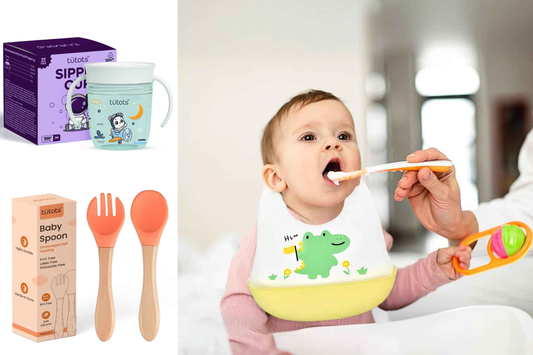
Soft silicone spoons are ideal for babies who are just starting with solid foods. These spoons are gentle on sensitive gums and flexible enough to ensure safe feeding.
Training Spoons
Training spoons are designed to help babies learn how to feed themselves. They are usually shorter and easy to grip, making them perfect for small hands.
Long-Handle Spoons
Long-handle spoons are especially helpful for parents during the early feeding stages. They make it easier to reach inside jars and bowls without spilling food.
Heat-Sensitive Spoons
Heat-sensitive spoons add an extra layer of safety during feeding. These spoons change color when the food is too hot, helping parents avoid feeding food at unsafe temperatures.
How to Choose the Best Feeding Spoon for Babies
Selecting the right baby feeding spoon is important for safety and comfort.
1. Choose Safe Material
Always go for baby-safe materials.
- BPA-free and non-toxic
- Silicone is a good option
- Avoid sharp edges
2. Look for Soft Tips
Protects baby’s gums.
- Gentle and flexible
- Prevents injury
- Comfortable for baby
3. Easy Grip Design
Helps both parent and baby.
- Non-slip handle
- Easy to hold
- Lightweight design
4. Easy to Clean
Hygiene is very important.
- Dishwasher safe
- Simple design
- No hard-to-clean parts
Tips for Using a Feeding Spoon Safely
1. Keep Baby in Upright Position
Safe feeding position is important.
- Use high chair or lap
- Prevents choking
- Helps swallowing
2. Start with Small Amounts
Do not overload spoon.
- Small bites are safer
- Helps baby adjust
- Reduces mess
3. Be Gentle and Patient
Feeding takes time.
- Do not force food
- Let baby explore
- Encourage slowly
4. Maintain Hygiene
Keep everything clean.
- Wash spoon after every use
- Sterilize regularly
- Store properly
Common Mistakes to Avoid
Using a feeding spoon for babies correctly is important.
Starting Too Early
Introducing a feeding spoon before your baby is ready can lead to choking and feeding difficulties. It is important to wait until your baby shows clear readiness signs before starting.
Using Hard Spoons
Hard spoons made of metal or rigid plastic can hurt your baby’s gums. Soft spoons are always a better choice as they provide comfort and reduce the risk of injury.
Forcing the Baby
Forcing your baby to eat can create a negative association with food. It is important to let your baby eat at their own pace and develop interest naturally.
Ignoring Hygiene
Poor hygiene can lead to infections and health issues. Always ensure that feeding spoons are properly cleaned, sterilized, and stored safely after use.
Also Read: Which Feeding Bottle Is the Best? A Helpful Guide for New Parents
Key Takeaways
- Feeding spoon for baby should be introduced at around 6 months.
- Search for indications of preparedness.
- Select soft, non-toxic and easy-to-clean spoons.
- Encourage the learning and independence of the baby.
- Hygiene and patience during feeding.
Conclusion
Feeding your baby with a baby feeding spoon at the right time is one way to help your baby transition between milk and solid foods. It facilitates the growth, the cultivation of skills and simplifies the feeding of parents.
Select only safe and gentle products to your baby. There are brands such as Tutots with well-conceived baby feeding necessities that are concerned with safety, comfort, and convenience.
All babies learn differently. Being patient, make the experience positive and enjoy this special period of your baby's development.
FAQs
When should I start using a feeding spoon for babies?
You can start using a feeding spoon at around 6 months when your baby begins solid foods and shows readiness signs such as sitting with support and showing interest in food.
What type of spoon is best for beginners?
Soft silicone spoons are the best choice for beginners because they are gentle on gums, safe, and easy to use during the early stages of feeding.
Can babies feed themselves with a spoon?
Yes, babies can start learning self-feeding between 8 to 10 months using training spoons that are designed for small hands and better grip.
How many times should I feed with a spoon daily?
You can start with one or two spoon-feeding sessions daily and gradually increase the frequency as your baby becomes comfortable with solid foods.
Is a metal spoon safe for babies?
Metal spoons are not recommended in early stages as they can hurt sensitive gums. Soft silicone or baby-safe plastic spoons are a better option.
Tags:
Previous
How to Choose the Perfect Baby Body Lotion for Summers
Next
Pacifier for Newborn Babies: Types, Uses and Benefits
Related articles
A Complete Guide to Anti Colic Feeding Bottles
Jun 01 2026